Micro-Burs for Precision Work: Understanding and Utilizing These Essential Tools
In the realm of precision work, few tools are as essential as micro-burs. This article will delve into the various aspects of micro-burs, exploring their types, applications, and tips for use. We will also highlight their importance across different fields ranging from dentistry to jewelry making. For an in-depth understanding of the types of burs, you can refer to micro-burs for precision work https://dental-rotors.com/blog/carbide-bur-types/.
What are Micro-Burs?
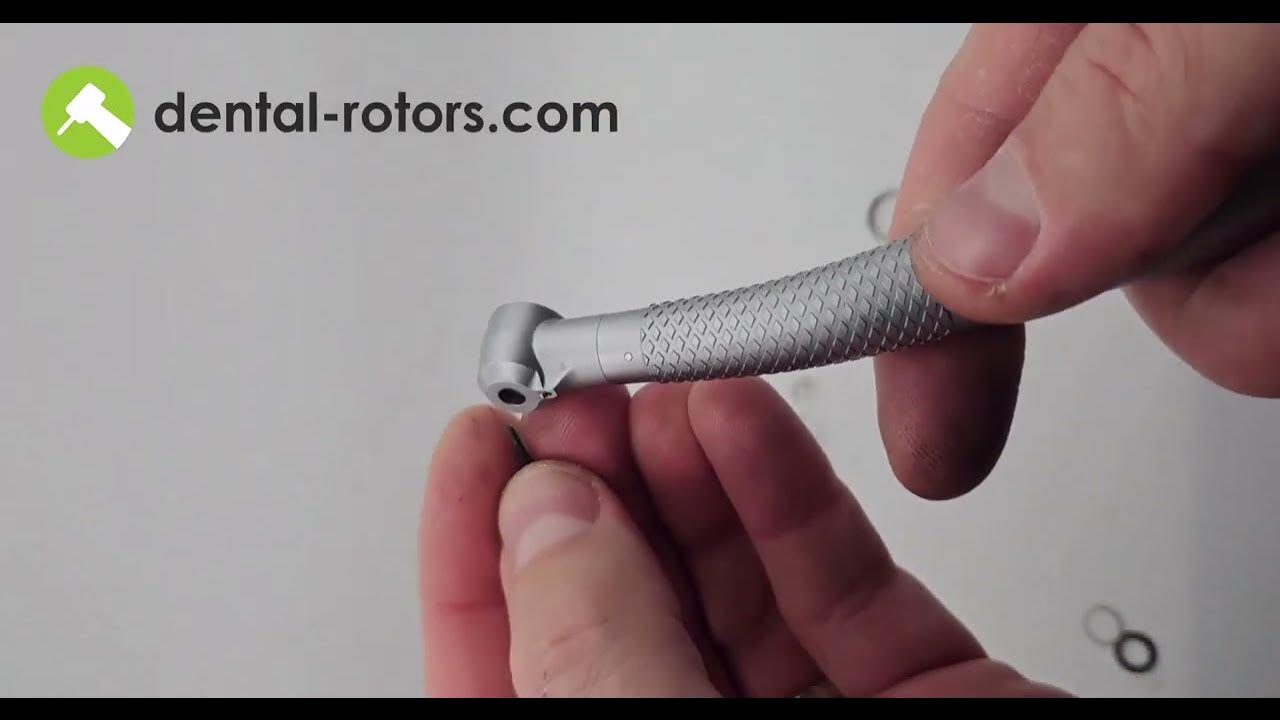
Micro-burs are small, high-speed rotating tools typically used in precision work. These tools are essential for tasks that require meticulous detail and accuracy. Their size allows them to reach tight spots and intricate designs that larger tools simply cannot accommodate. Micro-burs are widely used in various industries, including dentistry, engraving, model making, and electronics.
Types of Micro-Burs
Micro-burs come in a variety of shapes, sizes, and materials. Each type serves a specific purpose, and understanding these differences is key to choosing the right bur for your work. Here are some of the most common types:
1. Carbide Burs
Carbide burs are known for their durability and efficiency in cutting hard materials. They feature sharp cutting edges and can be used for a variety of tasks from drilling to finishing. In dentistry, they are often used for cavity preparation and reshaping teeth. Their precision and ability to maintain sharpness make them a popular choice in various applications.
2. Diamond Burs
Diamond burs are coated with industrial diamonds, providing exceptional cutting power and longevity. These burs are ideal for working with hard materials such as ceramics and composite resins. They are widely used in dental applications for polishing and finishing work where a high degree of precision is required.
3. Steel Burs
Steel burs are versatile tools that offer an economical option for routine tasks. While they may not have the same longevity as carbide or diamond burs, they are effective for softer materials and less demanding applications. They are particularly popular in hobbyist and crafting circles.
4. Surgical Burs
Specifically designed for surgical applications, these burs focus on precision and safety. They are typically used in fields such as orthopedic surgery and dental implants, where accuracy is critical. The design and material of surgical burs ensure they can withstand sterilization processes while providing consistent performance.
Applications of Micro-Burs
Micro-burs find their application across various sectors, each taking advantage of their precision and detail-oriented design. Here are some notable applications:
1. Dentistry
In dentistry, micro-burs play a vital role in procedures like cavity preparation, root canal treatment, and aesthetic restorations. The small size and sharpness allow dentists to navigate tight spaces within the oral cavity, ensuring that treatments are both effective and minimally invasive.
2. Jewelry Making
For jewelers, micro-burs are indispensable for engraving, shaping, and finishing delicate designs. Their ability to make intricate cuts allows artisans to add detailed patterns and personal touches to their work, enhancing the overall aesthetic of the pieces they create.
3. Model Making
Model makers utilize micro-burs to achieve different textures and finishes on miniature versions of products, architecture, or landscapes. The precision offered by these tools ensures that the fine details that bring a model to life are accurately represented, showcasing the skills of the model maker.
4. Electronics
In the electronics industry, micro-burs are used to create precise cuts on circuit boards and components. Whether it’s for engraving designs or removing excess material, these tools allow for high precision, which is crucial in ensuring electronic devices function correctly.
Choosing the Right Micro-Bur
Selecting the proper micro-bur for your specific application is critical to achieving satisfactory results. When choosing, consider the following factors:
- Material: The composition of the bur should match the material you are working on.
- Shape: Different tasks require different shapes; ensure the bur is suitable for the type of cut needed.
- Size: Smaller burs are better for intricate details, while larger ones are suited for broader cuts.
- Speed: Ensure your tool is compatible with the required speed for optimal performance.
Maintenance and Care
To extend the life of your micro-burs and maintain their performance, proper care and maintenance are essential. Here are some tips:
- Clean Regularly: Remove debris and material buildup after each use.
- Inspect for Damage: Regularly check burs for signs of wear or damage to ensure safe use.
- Store Properly: Keep burs in a protective case or holder to prevent accidental damage.
Conclusion
Micro-burs are invaluable tools for anyone engaged in precision work, whether in dentistry, jewelry making, model craftsmanship, or electronics. Understanding the types of micro-burs and their applications helps professionals and hobbyists alike make informed choices, leading to enhanced efficiency and results in their projects. By choosing the right burs and maintaining them properly, individuals can achieve the high level of detail and precision that these tasks demand.