Unraveling the historical evolution of gambling from ancient rituals to modern casinos
The Origins of Gambling: Ancient Practices and Rituals
Gambling can be traced back to ancient civilizations, where it often played a significant role in cultural rituals and societal practices. Archaeological evidence suggests that as early as 3000 BCE, the Chinese were using rudimentary forms of dice, which they carved from materials like bone. In this context, you might also want to explore new csgo betting sites that reflect modern adaptations of such ancient practices. Similarly, evidence from ancient Egypt shows that dice games were prevalent and used not only for entertainment but also as a means of predicting the future, reflecting a deep spiritual connection to luck and fate.

These early gambling activities were often intertwined with religious beliefs. In many cultures, the act of casting lots or rolling dice was thought to invoke the favor of deities. For instance, in Ancient Rome, soldiers gambled on the outcomes of battles, and the results were seen as omens. These rituals highlight the belief that fate and fortune could be influenced by divine intervention, making gambling a culturally rich activity long before it became the structured industry we know today.
As societies evolved, the methods and motivations behind gambling also changed. The Greeks introduced betting on athletic competitions, notably the Olympic Games, where spectators wagered on the outcomes of races and matches. This transition from simple dice games to organized betting on events marked the first step toward the complex systems of gambling that would emerge in later eras, intertwining entertainment with economic speculation.
The Rise of Gambling in Medieval Europe
The medieval period in Europe saw significant changes in gambling practices, reflecting the cultural and political landscape of the time. The introduction of cards in the 14th century revolutionized gambling, transitioning it from traditional dice games to card-based games that gained widespread popularity. Notably, games like poker and blackjack, which evolved from these early card games, laid the groundwork for modern gambling practices.
Gambling also became a common pastime among the nobility during the Middle Ages. Tournaments and festivities often included gambling as a form of entertainment. While these activities were sometimes frowned upon by the Church, which viewed gambling as morally questionable, it did little to curb the enthusiasm. Instead, it led to the establishment of gambling houses that catered to the aristocracy, setting the stage for the formal casinos that would emerge in the following centuries.
The establishment of lotteries in the 16th century represented a further evolution in gambling practices. Governments began organizing lotteries to fund public projects, providing citizens with the opportunity to gamble while also supporting their communities. This period marked the blending of gambling with social responsibility, paving the way for state-sanctioned gambling initiatives that are common today.
The Birth of Modern Casinos
The 17th and 18th centuries witnessed the formalization of gambling as we know it today, particularly with the opening of the first official casino in Venice in 1638. This establishment provided a controlled environment where patrons could gamble on games of chance and skill, illustrating the shift from informal betting to organized gaming. The Venetian casino set a precedent for future establishments, combining luxury, entertainment, and gambling in a single venue.
As the concept of casinos spread across Europe, different countries developed their unique gambling cultures. France became known for its sophisticated gambling houses, where games like roulette were introduced. Meanwhile, in England, the establishment of gaming clubs in the 19th century contributed to the rise of betting on sporting events, especially horse racing, further embedding gambling into the social fabric of society.
The Industrial Revolution propelled the gambling industry into new realms of popularity and accessibility. With the rise of the middle class, more people than ever had disposable income to spend on leisure activities, including gambling. The establishment of betting shops and racetracks allowed the masses to participate in gambling, democratizing an activity that had once been reserved for the elite. This marked a pivotal moment in gambling history, as it transitioned from an aristocratic pastime to a widespread social activity.
The Digital Revolution: Online Gambling and Its Impact
The late 20th and early 21st centuries marked a seismic shift in the gambling landscape with the advent of the internet. Online gambling platforms emerged, offering unprecedented access to a wide array of games, from poker to sports betting. This innovation transformed how people engage with gambling, allowing them to play from the comfort of their homes and breaking geographical barriers that previously limited participation.
Online casinos quickly adopted advanced technology, including live dealer games and mobile applications, enhancing user experience and bringing the thrill of gambling to a broader audience. The convenience of online gambling attracted not only seasoned bettors but also newcomers, significantly increasing the industry’s reach. Moreover, the ability to offer bonuses and promotions online incentivized many to explore gambling as a viable entertainment option.
However, the rise of online gambling has also sparked discussions regarding regulation and responsible gaming. Governments worldwide grapple with establishing frameworks to ensure fair play and protect consumers from potential harms associated with gambling addiction. Despite these challenges, the online gambling industry continues to thrive, showcasing its adaptability and resilience in the face of evolving technology and societal attitudes toward gaming.
Exploring the Future of Gambling
The future of gambling is set to evolve further, influenced by emerging technologies such as virtual reality (VR) and blockchain. VR has the potential to revolutionize the gambling experience by creating immersive environments that replicate the excitement of physical casinos. This technology could allow players to interact with one another and their surroundings in entirely new ways, bridging the gap between online and in-person gambling.
Blockchain technology promises to enhance transparency and security within the gambling industry. By providing immutable records of transactions, it can help build trust among users, especially in the online gambling space. Additionally, cryptocurrencies are becoming an increasingly popular method of wagering, offering anonymity and ease of transactions that traditional currencies cannot match.
As the gambling landscape continues to evolve, it remains crucial for stakeholders to prioritize responsible gaming practices. Ensuring that players are educated about the risks and promoting safe gambling habits will be essential in fostering a sustainable industry that can adapt to changing societal expectations and technological advancements.
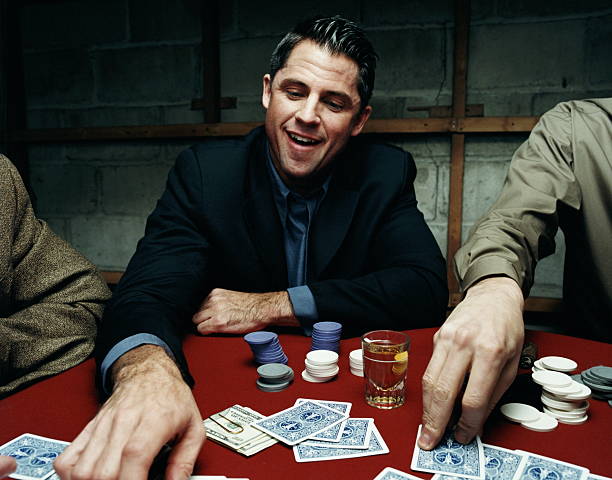
Your Guide to Understanding Gambling Today
Whether you’re a novice or an experienced gambler, understanding the rich history and evolution of gambling can significantly enhance your experience. Our comprehensive resources provide insights into the various forms of gambling available today, from traditional casinos to the latest online platforms. Knowledge of this history can help you appreciate the significance of each game and its cultural context.
With expert evaluations and rankings of the top betting sites, we aim to equip users with the necessary tools to make informed decisions. Our easy-to-navigate guides ensure that you can find the best options tailored to your preferences, whether it’s sports betting, casino games, or lottery participation. Knowing the landscape can transform your approach to gambling, making it a more enjoyable and engaging experience.
Join us in exploring the fascinating world of gambling, where ancient rituals have evolved into a multi-faceted industry. Together, we can unravel the intricacies of gambling, ensuring you embark on your journey fully informed and prepared for an exciting adventure.