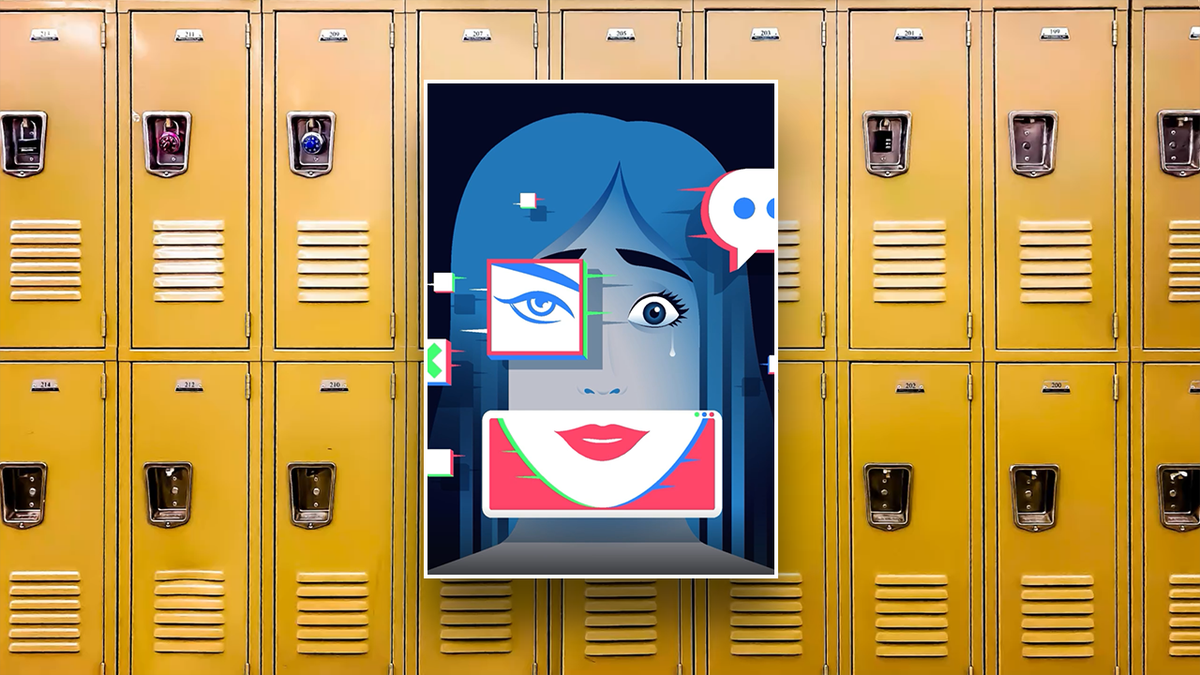
In recent years, the advent of artificial intelligence has ushered in new frontiers in image manipulation and editing. One of the more controversial applications of this technology is AI Nudify. This innovative approach utilizes AI algorithms to digitally alter images, specifically modifying clothing to create a nude appearance. As a concept, AI Nudify raises numerous discussions around ethics, privacy, and the implications of technology in the realm of personal image representation. For those curious about this technology and its applications, a detailed exploration can be found at ai nudify https://nudify.org/.
Understanding AI Nudify
AI Nudify is a process that employs deep learning techniques to analyze images and predict how a person would look without clothing. By training on a large dataset of images, AI models learn the patterns of human anatomy and clothing folds, allowing them to digitally “remove” items of clothing in a realistic manner. This technology can involve various techniques ranging from simple image alterations to complex generative adversarial networks (GANs) that can produce convincingly realistic outputs.
The Technology Behind AI Nudify
At its core, AI Nudify relies heavily on neural networks, particularly those designed for image processing tasks. The two main components in such systems are the generator and the discriminator, used in GANs. The generator creates the altered image, while the discriminator evaluates the authenticity of the output compared to real images. Through iterative training, both components improve their performance, leading to increasingly convincing results.
Machine Learning Algorithms
The choice of machine learning algorithms plays a crucial role in the effectiveness of AI Nudify. Convolutional Neural Networks (CNNs) are particularly effective at image recognition tasks, making them ideal for training models that need to discern different clothing types and features of human anatomy. The introduction of transfer learning has further enhanced the capabilities of AI Nudify, as pre-trained models can be fine-tuned for specific applications, drastically reducing training time and resource consumption.

Challenges in AI Nudify
Despite its fascinating capabilities, AI Nudify faces significant challenges. One prominent issue is the ethical implications of creating non-consensual nude images. The potential for misuse is vast, as individuals could manipulate images of others without permission, leading to privacy violations and emotional distress. The technology blurs the lines between art and exploitation, raising moral questions about how such tools should be used and regulated.
The Ethical Landscape of AI Nudify
The discussion surrounding the ethics of AI Nudify is multifaceted. On one hand, it can be argued that the technology provides an avenue for artistic expression and a deeper exploration of human form. On the other hand, the potential for abuse cannot be overlooked. Responsible use requires a strong ethical framework and clearly defined regulations.
Consent and Privacy
Consent is a cornerstone of ethical standards when dealing with image manipulation. It is essential that individuals retain control over their own likeness and how it is represented. AI Nudify must operate within an ethical framework that prioritizes consent. Furthermore, platforms facilitating such technology should implement robust safeguards against misuse, ensuring that all images processed are done so with the express permission of the subjects involved.
Regulatory Frameworks
Governments and regulatory bodies are beginning to acknowledge the implications of technologies like AI Nudify. Legislative measures could be taken to establish boundaries on the usage of deepfake and image manipulation tools. However, developing comprehensive frameworks poses its own challenges. Regulators must balance innovation with necessary protections, a task complicated by the rapid evolution of technology.
The Impact on Society
As AI Nudify technology becomes more accessible, its impact on society must be critically examined. The normalization of digitally altered images can influence societal norms and personal body image perceptions. On one hand, it may encourage artistic freedom; on the other, it risks promoting unrealistic expectations about body image and beauty.
Body Image and Self-Perception
Exposure to altered images can skew an individual’s self-perception. The constant barrage of “idealized” representations of the human body may lead to a variety of mental health issues, including body dysmorphia and eating disorders. It’s vital for artists, influencers, and content creators to engage in responsible practices by disclosing when images have been digitally altered or manipulated.
Future Prospects of AI Nudify Technology
Looking ahead, the future of AI Nudify technology is likely to encompass advancements that promote accountability and ethical standards. Greater transparency in the use of such technology can lead to positive outcomes if managed properly. Continuous dialogue surrounding ethical practices will be essential in integrating AI Nudify into broader societal contexts.
Innovation and Creativity
On a more positive note, AI Nudify can serve as a powerful tool for artists and creative professionals. By enabling innovative forms of expression, artists may explore new vi
sual narratives and challenge societal norms regarding nudity and self-identity. Striking a balance between artistic freedom and ethical considerations will be paramount.
Conclusion
The emergence of AI Nudify presents both significant opportunities and challenges. As this technology evolves, society must grapple with the ethical implications it entails while also embracing the potential for artistic expression and innovation. It’s a critical moment for stakeholders across fields to engage in meaningful conversations about consent, privacy, and the future of image manipulation in our digital world.