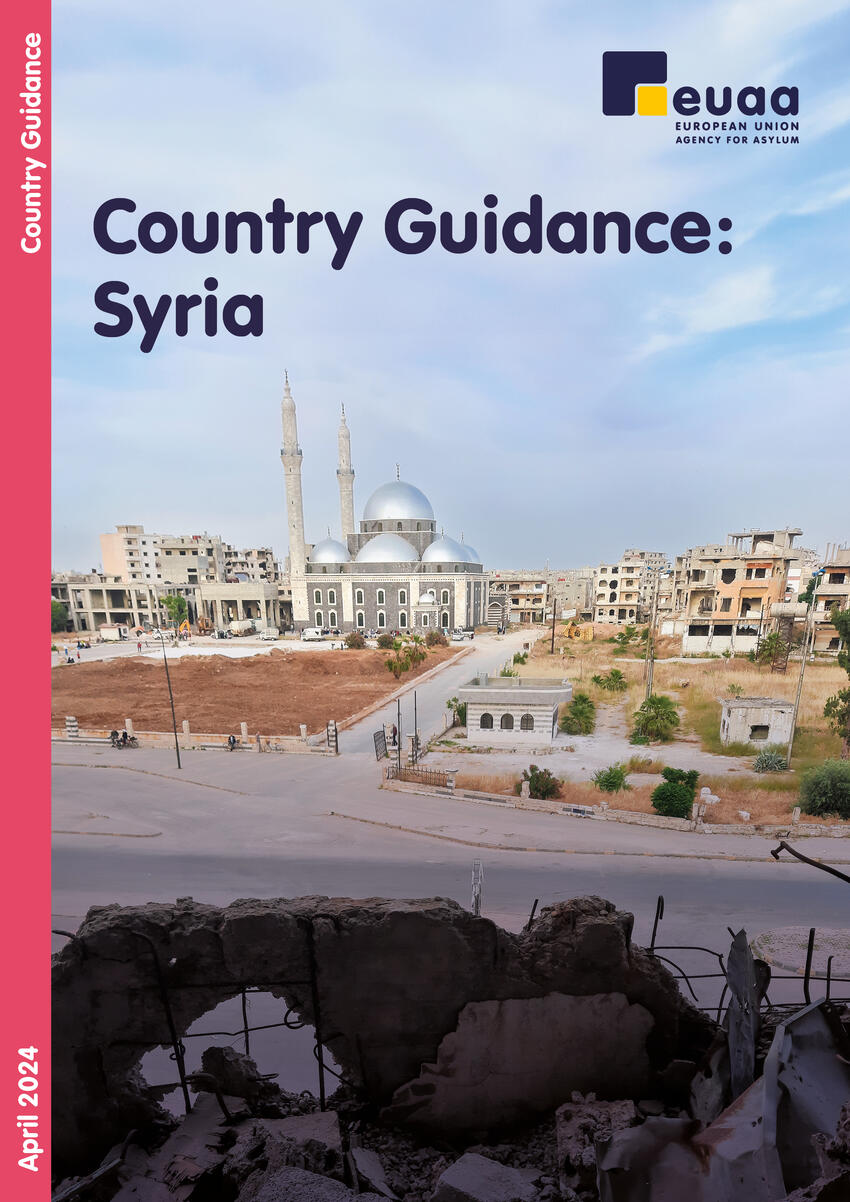
Understanding and Navigating Syria Sanctions: Comprehensive Guidance
The complexities of international sanctions can be daunting, especially in the case of Syria where the implications affect a wide range of stakeholders. For comprehensive compliance, it’s crucial to understand the nuances of these sanctions. This article will serve as your guide to navigating the sanctions against Syria, outlining key aspects, recent developments, and strategies for compliance. For further details, you may refer to guidance on Syria sanctions.
Historical Context of Sanctions on Syria
Sanctions against Syria have a long and complex history, originating from political decisions aimed at addressing issues of human rights abuses, supporting terrorism, and regional destabilization. The most notable sanctions were implemented following the outbreak of the Syrian Civil War in 2011, led by various countries and international organizations, including the United States and the European Union. These measures aimed to pressure the Syrian government and to curtail its ability to operate effectively in the global arena.
Various forms of sanctions have been employed, ranging from asset freezes and travel bans on individuals to restrictions on trade, investment, and financial transactions. Understanding the motivations behind these sanctions is crucial to grasping their current implications.
Current Sanctions Regime
The current sanctions regime against Syria is multifaceted, incorporating layers of restrictions that are rarely static. New measures can be introduced in response to evolving political contexts or humanitarian crises. The US sanctions, for example, are primarily governed by the Office of Foreign Assets Control (OFAC). Key regulations include:
- Executive Order 13572: Targets individuals involved in the violence against civilians.
- Executive Order 13606: Prohibits dealing in property and interests in property of certain persons.”
- CAATSA (Countering America’s Adversaries Through Sanctions Act): Provides additional measures to hold accountable those connected with the Syrian government.
The European Union has also adopted similar measures, aimed at specific sectors such as energy, finance, and dual-use goods. This layered approach can create significant obstacles to international trade and investment with Syria.
Implications for Businesses and Organizations
For businesses and organizations looking to engage with Syria or with entities connected to Syria, the implications can be severe. Not only do violations of sanctions carry heavy fines and penalties, but they can also result in reputational damage. Compliance is paramount.
Companies must establish robust compliance programs that include comprehensive due diligence practices, constant monitoring of legal developments, and employee training on sanctions awareness. Failing to adhere to these guidelines could result in legal repercussions and inhibit future business opportunities.
Compliance Strategies
Implementing effective compliance strategies involves understanding the regulations and continuously monitoring changes. Here are some strategies that can be beneficial:

- Risk Assessment: Conduct thorough risk assessments to evaluate potential exposure to sanctioned entities or individuals.
- Legal Consultation: Regularly consulting with legal counsel proficient in trade sanctions can help navigate the complexities of compliance.
- Training Programs: Establish training programs for employees to ensure they are aware of the current regulations and the importance of compliance.
- Monitoring Tools: Utilize technology and monitoring tools to keep track of changes in regulations and sanctions lists.
Conclusion
Understanding and complying with Syria sanctions is not merely about avoiding penalties; it’s about recognizing the ethical implications and responsibilities that come with international business. The landscape is complex, and companies must remain vigilant and informed. By adopting proactive compliance strategies and staying ahead of regulatory changes, organizations can mitigate risks associated with engaging in business and activities related to Syria.
In conclusion, navigating the sanctions imposed on Syria requires diligence, understanding, and a commitment to compliance. This guidance aims to provide clarity in a sea of complexity, urging companies to consider their roles in the global community as they pursue business endeavors.